
Students and teachers experience the classroom environment every day. When rooms are too warm, air feels stale, humidity is difficult to manage, or background noise interrupts instruction, the building itself can become a barrier to learning.
For school administrators and maintenance professionals, HVAC decisions are about more than replacing equipment. The right system can help schools create classrooms that are more comfortable, better ventilated, easier to maintain, and better suited to the daily needs of students and staff.
Below, we’ll break down the classroom challenges that can affect student performance, how HVAC systems help address them, and how schools can think about system selection based on their climate, building design, and regional practices.
Attendance and Health
The Challenge with Attendance and Health
When students don’t attend class, they’re put in a difficult position for longtime success. Students who don’t feel well don’t perform as well academically, while the snowball effect of repeat absences significantly increase the odds that students will fail a class. These realities place a lot more pressure on teachers and students to overcome their learning environments
How HVAC Supports Better Classroom Air
When classroom air feels stale or ventilation falls short, students and teachers feel the impact. The American Lung Association reports that poor ventilation and air flow play a key role on how students feel and contributes to issues such as headaches, drowsiness, absenteeism, and reduced academic performance.
A classroom-focused HVAC approach helps schools deliver ventilation and comfort where students actually are. Instead of treating the school as one uniform space, room-by-room systems allow individual classrooms to receive dedicated outdoor air and independent comfort control.
Key HVAC considerations include:
- Ventilation options that meet ASHRAE standards and local codes
- High-MERV filtration options, including options up to MERV 13
- Individual classroom ventilation control
- Systems that reduce routine air sharing between classrooms
- Maintenance practices that make filter changes and service easier for school staff
Bard Manufacturing supports this approach with decentralized school HVAC systems designed to provide fresh outside air, filtration, temperature control, humidity control, and flexibility at the classroom level.
Student Focus
The Challenge with Student Focus
Unfocused students cause problems for both the students themselves and the staff guiding them. According to the Institute of Education Sciences, 26% of public schools reported that a lack of student focus has a severe negative impact on both student learning and teacher morale.
Uncomfortable classrooms make it harder for students and teachers to stay focused. Harvard research shows that every 1°F increase in school year temperature reduces the amount learned that year by one percent, while uncomfortable humidity levels make students 23% more fatigued and 61% more distracted.
Simply put, a lack of proper air conditioning directly impacts student success. These problems are especially important in older school buildings, where HVAC systems may not have been designed for today’s ventilation, comfort, and control expectations. Temperature and humidity challenges can include:
- Hot or cold spots between classrooms
- Moisture issues in humid conditions
- Dry or uncomfortable air
- Classrooms that feel different depending on sun exposure, occupancy, or time of day
- Centralized systems that struggle to meet the needs of each room individually
How HVAC Supports Comfort and Focus
An ideal HVAC system delivers complete comfort solutions that give schools better control over the classroom conditions students and teachers experience every day. Important features to evaluate include:
- Purpose-built units with integrated heating, cooling, ventilation, and dehumidification
- Mechanical dehumidification, such as hot gas reheat
- Two stages of cooling to better match comfort needs throughout the year
- Classroom-level control where each room can independently adjust all operations through dedicated controls, including heating, cooling, ventilation, and humidity
- Systems that help reduce uneven conditions between classrooms
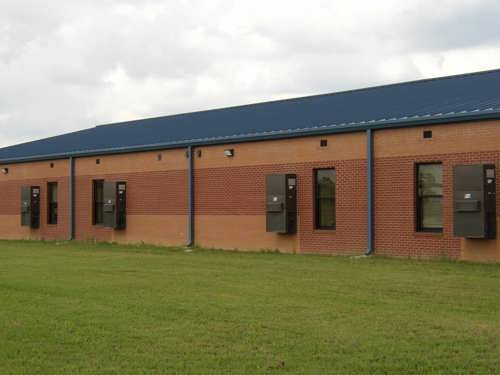
Bard exterior wall-mount and interior systems are designed to support classroom-level comfort with packaged solutions that combine heating, cooling, ventilation, and dehumidification in one system. Our room-by-room systems allow each classroom to operate independently, which helps maintenance teams address comfort needs without relying on a single building-wide setting.
Teaching and Learning Require Lower Background Noise
The Challenge for Background Noise
While multiple factors impact student concentration, the National Library of Medicine cites classroom noise as a notable issue. Excessive background noise can interfere with instruction, communication, and concentration, meaning that the classroom environment itself shouldn’t get in the way of normal lessons.
HVAC equipment will naturally make noise while in operation, but it shouldn’t compete with teachers and students. Noise-related considerations include:
- Whether equipment disrupts instruction
- How the system sounds during normal operation
- Whether units can be heard clearly in the classroom
- Whether building design or installation approach affects sound
- Whether staff can experience equipment operation before making a decision
How HVAC Supports Quieter Classrooms
Modern classroom HVAC systems should be designed to provide comfort without becoming a distraction. HVAC units aren’t going to be completely silent, but they should operate quietly enough to deliver precision comfort without rising above the natural noise created in an active classroom.
Schools should look for equipment and accessories that combine practical noise reduction with the ventilation and temperature control each room requires. Features to consider include:
- Compressor isolation
- Acoustical insulation
- Sound covers
- Discharge mufflers
- Fan designs intended to reduce noise
- Flexible configurations that can adapt to building layouts
- Mobile showrooms and other ways that users can judge operating noise for themselves
Bard systems are designed to operate within the practical expectations of real classrooms, with sound-reduction features and configuration options that help schools enjoy both premium climate control solutions and reduced background noise.
How to Choose HVAC Systems Based on Your School Environment
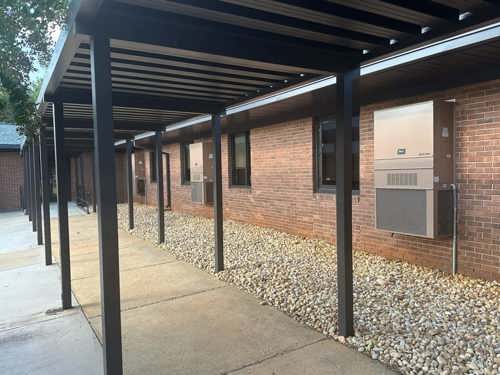
Not every school needs the same HVAC solution. In fact, the ideal fit can heavily depend on climate, existing infrastructure, and other key factors.
A helpful way to evaluate options is to start with broad application needs rather than a single product type.
Warmer climates
In warmer weather regions, air source heat pumps are a strong fit for schools that need heating and cooling in a packaged classroom solution.
Our Recommendation: Bard Comfort Flex with Inverter Technology Dehumidification Exterior Wall-Mount Heat Pump
Mixed climate areas
In areas with greater heating requirements, schools may evaluate systems such as water source heat pumps or gas heat with electric cooling, depending on local practices and building infrastructure.
Our Recommendations:
- Q-TEC Two-Stage Step Capacity Geothermal Dehumidification
- Wall-Mount Gas Electric Two-Stage Step Capacity
Colder climates
Some schools, especially in northern regions, may already rely on boilers for heat. In these cases, your school may choose to keep the boiler system in place while adding air conditioning through interior units that use hot water or hydronic heating. This approach can help schools modernize classroom comfort without fully abandoning infrastructure that still supports heating needs.
Our Recommendation: I-TEC Air Conditioner Two-Stage Step Capacity Dehumidification
Chilled water and hot water applications
In regions where chilled water and hot water systems are accepted practice, Bard QC chilled water/hot water units may be a fit for schools that want interior solutions aligned with those building systems.
Our Recommendation: Q-TEC Two-Stage Step Capacity Geothermal Dehumidification
Building Better Learning Environments Starts with the Right HVAC Strategy
Student success is not a product of one factor. Poor HVAC can and will negatively impact students when left unaddressed. For school administrators and maintenance professionals, the goal is to choose HVAC systems that fit the building, support the classroom, and make daily operation manageable for staff.
Bard Manufacturing works with schools across the country to provide classroom-focused climate control solutions tailored to different regions, building types, and project goals. Ready to invest in individualized comfort systems designed to support students and staff? Breathe easy. You’ve got Bard.


