
Walk into any classroom, and you can quickly tell whether the environment is helping or hurting students’ ability to learn. Stale air, warm rooms, and other distractions directly hinder progress for students and teachers, and statistics show that more comfortable, healthier classrooms lead to better performance, improved attendance, and reduced suspension rates.
While everyday lessons drive better learning outcomes, HVAC systems are one of the few tools schools can use to directly influence that environment every day. With the right system, schools can balance four key factors that work together to support better learning conditions:
- Adequate ventilation
- Effective filtration
- Consistent comfort
- Controlled background noise
Ready to create healthier, more comfortable classrooms that are more conducive to learning? Below we’ll explain the important role each factor plays in your classrooms and how Bard HVAC systems support schools.
Adequate Ventilation
How Ventilation Impacts Learning Environments
Fresh air is universally recognized as critical for improved learning and increased attendance. When ventilation falls short, classrooms can quickly feel stale and uncomfortable. According to the American Lung Association, a lack of ventilation and air flow can directly lead to:
- Headaches
- Drowsiness
- Poor academic performance
- Increased absenteeism
How Bard Addresses Ventilation
Bard systems are designed around a classroom-by-classroom approach, which allows ventilation to be delivered where it is needed most. This approach allows for more efficient air flow that improves indoor air quality and overall comfort of each room throughout the year.
Key advantages include:
- Dedicated outdoor air per classroom: Each room receives its own ventilation rather than relying on shared air across multiple spaces.
- Independent air streams: Classrooms operate independently, helping limit the mixing of air between rooms.
- Reduced cross-contamination risk: Air from one classroom is not routinely circulated throughout the building.
- Flexibility for real-world school schedules: Systems can respond more effectively to varying classroom occupancy and usage.
- Multiple ventilation options: Systems built to meet ASHRAE standards and local ventilation codes.
Recommended Filtration
How Filtration Impacts Learning Environments
Filtration plays a pivotal role in removing airborne particles that both students and teachers breathe every day. According to a study shared in PubMed Central, nearly half of the days that students miss are due to acute respiratory illnesses. Filtration also helps reduce other harmful particles, including:
- Dust and pollen
- Mold spores
- Smoke and smog
- Viruses and bacteria
How Bard Addresses Filtration
Bard’s decentralized systems give schools the means to reduce the spread of infectious particles. Room-by-room control creates limits harmful particles from moving from one classroom to another, while actively filtering aerosols from outside air.
Key capabilities include:
- High-MERV filtration: Systems are designed to provide filtration options ranging up to MERV 13 that capture finer particles.
- Isolation of classroom ecosystems: Decentralized HVAC systems minimize risk of cross-contamination and provide greater flexibility for teachers.
- Compatibility with real-world maintenance practices: Schools can adjust filter choices and replacement schedules based on budget and staffing.
Comfortable Temperature and Humidity
How Temperature and Humidity Impact Learning Environments
A hot, humid classroom is more than just uncomfortable; it’s a direct challenge that affects the overall health and performance of students and teachers. Research shows that improperly controlled temperature and humidity pose several notable problems:
- Uncomfortable humidity levels improve overall learning performance, compared to more comfortable rooms that helps lower fatigue by 23.3% and distraction by 61.1%.
- Heat exposure reduces cognitive performance, and even moderately warm days of at least 80 degrees Fahrenheit can impair students’ attention, memory, and focus.
- The presence of dampness and mold increase the risk of respiratory health effects by up to 50%.
How Bard Addresses Temperature and Humidity
Bard systems are designed to deliver a more complete comfort solution within each classroom. Our decentralized external wall-mounts or inside mount I-TEC units, provide precision comfort that provides active humidity control on a room-by-room basis.
Key benefits include:
- Integrated heating, cooling, ventilation, and dehumidification: Purpose-built HVAC systems provide complete comfort control in one unit.
- Mechanical dehumidification (hot gas reheat): Provides a more energy-efficient means to controlling humidity and comfort.
- Classroom-level control: Each room can operate independently with dedicated humidistat controls, reducing hot and cold spots that can differ from one room to another.
Background Noise
How Background Noise Impacts Learning Environments
Classrooms are active spaces filled with discussion, movement, and interaction. Background noise is a natural part of an occupied room, but your HVAC system shouldn’t rise above the natural sounds of a learning environment.
Research published in the MDPI Journal showed that higher environmental noise levels are associated with poorer academic performance, especially for children ages 6-12. What matters most is having an HVAC system that can provide precision comfort solutions and operate quietly enough to support teaching without rising above the natural noise naturally created in the classroom.
How Bard Addresses Background Noise
Bard systems are designed to operate within the practical expectations of real classrooms. Our equipment is designed to avoid disrupting teaching and learning, while still providing the independent climate control required for safe, comfortable classrooms.
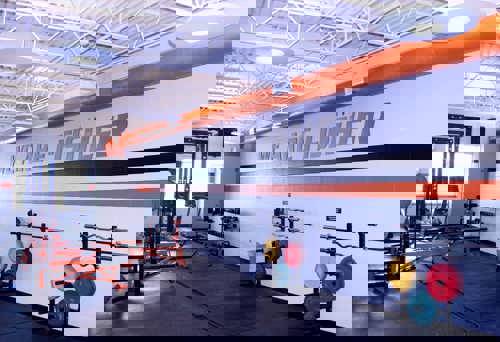
Another way Bard helps schools choose the right HVAC systems is that we let you hear how quiet our units out for yourself. Bard’s extensive distributor network and mobile showrooms allow you to experience units in person and decide if they’re quiet enough for your classrooms.
Key considerations include:
- Sound-reduction design features: Components such as compressor isolation help limit operational noise.
- Acoustical accessories: Additional features like sound covers and wall curbs to further reduce sound.
- Flexibility in installation approaches: Configurations can be adapted based on building layout and noise sensitivity.
Purpose-Built School HVAC Built to Support Optimal Learning Environments
Creating an optimal learning environment is not about solving one problem. It is about balancing the conditions that students and teachers experience every day.
Bard takes a classroom-focused approach to school HVAC systems, resulting in single, separate comfort systems designed for precision comfort and safer spaces. Ready to invest in tailored HVAC systems that help keep your budget in line? Breathe easy. You’ve got Bard.


